My postcards are now available at my favorite flower shop! Isn’t that a perfect match? After all, flowers are my favorite subject to paint.
Maybe you’ll find a design you like? Stop by and take a look!
Alraune, Basler Straße 132, 79540 Lörrach

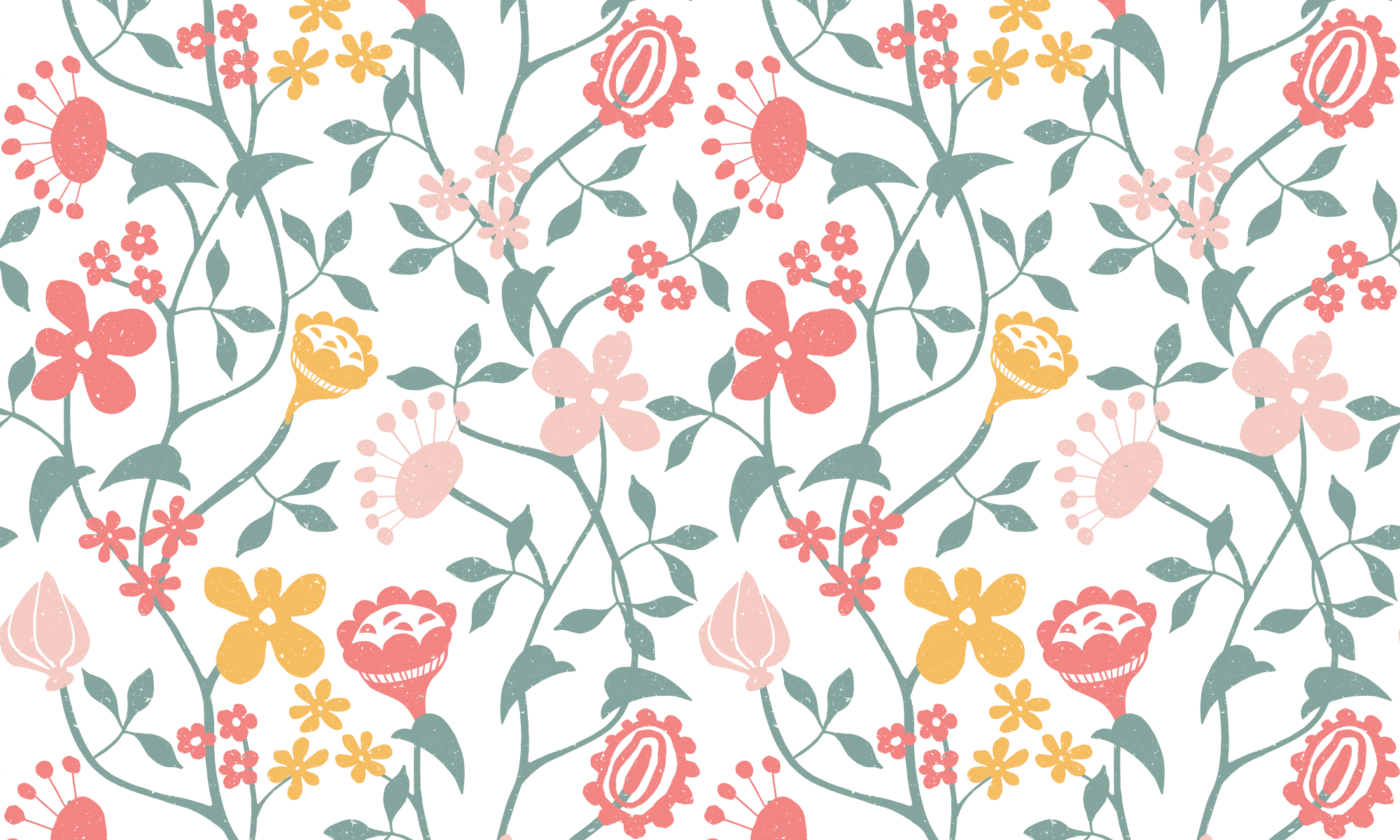
The magic of flowers for your everyday life
Design and Painting – Inspired by the Beauty of Nature

My postcards are now available at my favorite flower shop! Isn’t that a perfect match? After all, flowers are my favorite subject to paint.
Maybe you’ll find a design you like? Stop by and take a look!
Alraune, Basler Straße 132, 79540 Lörrach

It was April 2020. I was sitting on my sofa, feeling heartbroken. After 20 years of trying to become a children’s book illustrator, I finally called it quits. I had sent five illustrations from my latest children’s book – I had worked on it for two years, mind you – to Bologna to enroll in the competition for the illustrator’s exhibition of the Bologna Children’s Book Fair (which is the largest children’s book fair worldwide – so taking part in the exhibition is very prestigious), and due to the upheaval caused by Covid, my originals got lost. This was the final straw. I couldn’t do it anymore.

This was the time of the first lockdown. The weather was glorious, warm, and sunny. There were no places to be. I had been following a spiritual teacher for some years now, and she offered additional content on Instagram. With nothing better to do, I downloaded the app and discovered – drumroll, please! – Surface Pattern Design! Suddenly, surface designers showed up in my feed. Till this day, I don’t know how this happened (I had no idea there was something like an algorithm). I had always been fascinated by ornaments and patterns. I even had a sketchbook dedicated to this “genre”. But never before could I explore so many beautiful patterns so easily! And there were even courses to take!
In October, I enrolled in https://patternanddesign.com/ by Rachelle Holowko. I can highly recommend her course. The best thing is, unlike in other courses, she teaches pattern design with Illustrator and Photoshop equally. I tried Illustrator again, but it somehow doesn’t gel with my way of thinking. I’m still using Photoshop to make my patterns.
So yes, the saying is true: when one door closes, another one opens. Have you experienced that too?

At the end of May it was time for the art retreat with Cat Coquillette (instagram.com/catcoq) and Logan Elliott (instagram.com/flammable_entrepreneur), this time in Morocco.
Before the retreat, I spent one night in Marrakech. I was overwhelmed!


The art retreat was once again wonderfully organized by Andra from Uptrek (uptrek.com).
It took place in an old kasbah (= fortress) in the countryside near Agadir. Helène and Hassan had converted the kasbah into an eco-lodge. We were thoroughly spoiled (ecolodgemorocco.com).
It started with the food (tagine, couscous, desserts) and went on from the pool to a salt cave, massages and a hammam. Helène and Hassan showed us the tea ceremony. We watched how argan oil is made, and Helène introduced us to the world of Berber cosmetics. Mbark showed us how our names are written in Arabic and Berber.

The house was beautifully decorated. A dream for pattern designers! There were rugs everywhere, handcrafted details (every door was a unique carving) and plants.

The watercolor sessions with Cat took place at a long table by the pool.
She also gave portfolio reviews. Cat is always encouraging and generous!

I had decided to work with ink.

Logan gave us a structured introduction to the topic of “artpreneur” (how do I think like an entrepreneur as an artist?).

This time, though, I learned the most from the other participants: about Instagram, website design and how to find your style.

Adam (instagram.com/adampalmeter) took portrait photos of us again. Hardly anyone went into the photo shoot feeling relaxed. But Adam managed to make us feel good about it, and the photos turned out great again!
The highlight, though, was once again the excursions: to the desert (a mini Sahara), to the sea (the fishing village of Taghazout) and to Agadir (to the souk, and by cable car up to the kasbah). Our guide Said had a lot to tell us.

I had some more time in Marrakech. This time I could really enjoy it. I had learned a lot about the country and its people. I even dared to haggle (not my thing at all) and to eat at a stall on Jemaa El Fna (the big square in the middle of the medina) at night. The couscous tasted fantastic!


I came home with a long list of things I want to “implement”. The most important thing will be to put the individual points into practice slowly and steadily. For example, it’s time for an overhaul of my website!
With this blog post, I’ve made a start. I’d love to hear your comments! Have you ever been to Morocco? What was it like?

It’s not hard to design a mandala.
You can use a compass and a ruler, but you don’t have to.
You can draw from the inside out, or from the outside in.
Here’s a short video of me drawing a mandala. I made a small pencil sketch first and then went over it with an acrylic marker:
In the photo, you can see a few elements you can use for a mandala. They repeat in a lovely, regular rhythm, which is why mandalas feel so calming!

That really comes into its own when you color them in.
Do you have a few colored pencils lying around? You can just as well use ballpoint pens, felt-tip pens or fountain pens. Why not give it a try right away!
I always love hearing from you in the comments!

The meditation images of Hinduism and Buddhism gave mandalas their name. Mandala comes from Sanskrit and means circle.
Circles appear first in nature: in the sun, the full moon, pine cones, sunflowers, ripples on water, snail shells … We humans recognize them when we come across them. The closed shape of a circle, with no beginning and no end, has a calming effect.

Circles also appear in all cultures. The rose windows of great cathedrals are one example, and so is the art of the Aboriginal peoples and Native Americans. In Japan, a circle is called “enso – everything is in it”. It takes great skill to draw a beautiful circle in a single brushstroke.
You can buy books of mandalas in every bookshop. That’s how mandalas have found their way into our everyday lives. They decorate T-shirts and yoga mats. The “Flower of Life” turns up on notebooks and wall stickers.
Mandalas are no longer reserved for monks, who spend weeks in ceremony creating a mandala out of sand, only to destroy it at the end.
Anyone can experience the calming effect and color in a template. Why not just give it a try!
